In an era where everything is being redefined, the LED lighting industry is undergoing a comprehensive transformation. As an important player in the lighting industry - distributors, what pain points and difficulties are they facing? How can lighting manufacturers solve these pain points for distributors? Where will the development of commercial lighting go?
With the advent of the Internet era, the LED lighting market has undergone tremendous changes. Many dealers lament the sad days. Through exchanges with some dealers, a simple summary is as follows:
Firstly,with the progress of society and the development of technology, product information has become transparent, making it increasingly difficult to rely on the distribution model of earning product price differences;
Secondly, due to the impact of e-commerce and high-end housing policies, the foot traffic of physical stores has significantly decreased;
The third is the increase in operating costs. In recent years, domestic prices have gradually risen, and not only are store rental costs high, but human resource costs have also continued to rise;
Fourthly, many manufacturers only focus on opening stores without providing effective after-sales service for distributors.
They have something to say
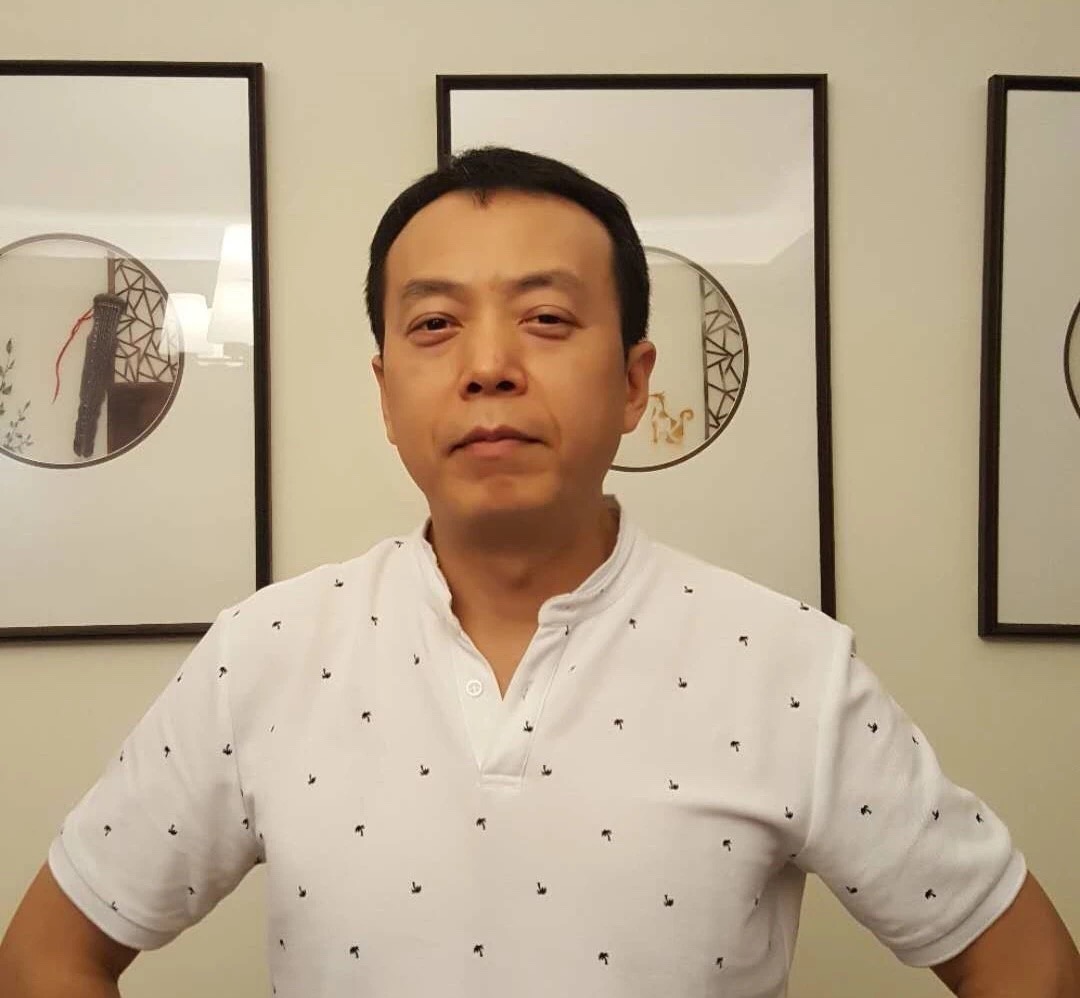
Current SAT service provider Zhang Bin
Zhang Bin, the former secondary distributor of Leishi Lighting, believes that traditional brand merchants are only suitable for the information underdeveloped 1990s. In the Internet era, many traditional brands have become history. If manufacturers are not willing to wake up from the "idol burden" of the past, they must face the survival rule of survival of the fittest.
Selling a product for 5 yuan for 10 yuan is no longer suitable for the current consumer group, who value additional product services more. Where to use a lamp, what color temperature to use, installation angle and method all require service providers. In the future, the lighting industry will become more segmented, and young people born in the 1990s and 2000s may not be confused by the halo of brands. Therefore, products need to be innovative, and quality cannot fall behind. ”
Zhao Ziyang, who has transitioned from selling commercial lighting products to commercial lighting engineering products, said, "Whether it's expanding distribution or professional lighting, it's actually a test for distributors. Originally we sold lamps, but after transforming into a service provider, we now sell lighting. We used to sell branded products, but now we sell professional products, and we are increasingly expanding into specialized fields
Today, many dealers have begun to realize that with the upgrading of consumption, the demand for professional lighting services in new commercial spaces is increasing, and the traditional distribution and operation model can no longer meet the needs of users. Based on this, SAT Lighting, which has been deeply cultivating the market for many years, proposes the concept of the industry's first "new commercial space lighting service provider" that integrates products, tools, guidelines, and services from the perspective of the commercial lighting market, with the goal of solving the pain points of distributors, making the lighting business under the sky no longer difficult to do.
In the view of Pan Zhibiao, Chairman of SAT Lighting, the biggest difference between distributors and service providers is that distributors earn the price difference by selling products, while service providers provide lighting butler services, including services to partners and end users.
Four major system supports

Pan Zhibiao, Chairman of SAT Lighting
The transformation from "dealers" to "service providers" means that businesses no longer rely solely on selling products to make money, but instead use products as carriers to provide personalized professional services to consumers and win sales. Pan Zhibiao further explained, "Service requires guidelines. We have a DASS service system, with promises for fees. What kind of designers provide design services, and propose guidelines and standards; There must be standards and implementation tools. We have our own information platform mall, which allows us to quickly find suitable products and complete solutions within 24 hours using this tool; Regarding the core point - products, we create a product platform for the entire industry chain guided by applications; Additionally, localized services are required. Based on a comprehensive system to support the positioning of 'new commercial space lighting service provider'. ”
We all know that the transformation of thinking is the biggest difficulty. The process of transitioning from a distributor to a service provider is undoubtedly very difficult. In order to enable SAT service providers to serve customers with higher quality, cultivate super user groups, improve transaction rates, and save service providers' time and labor costs, SAT Lighting Academy has launched service provider training to help distributors transform into service providers.
prospect
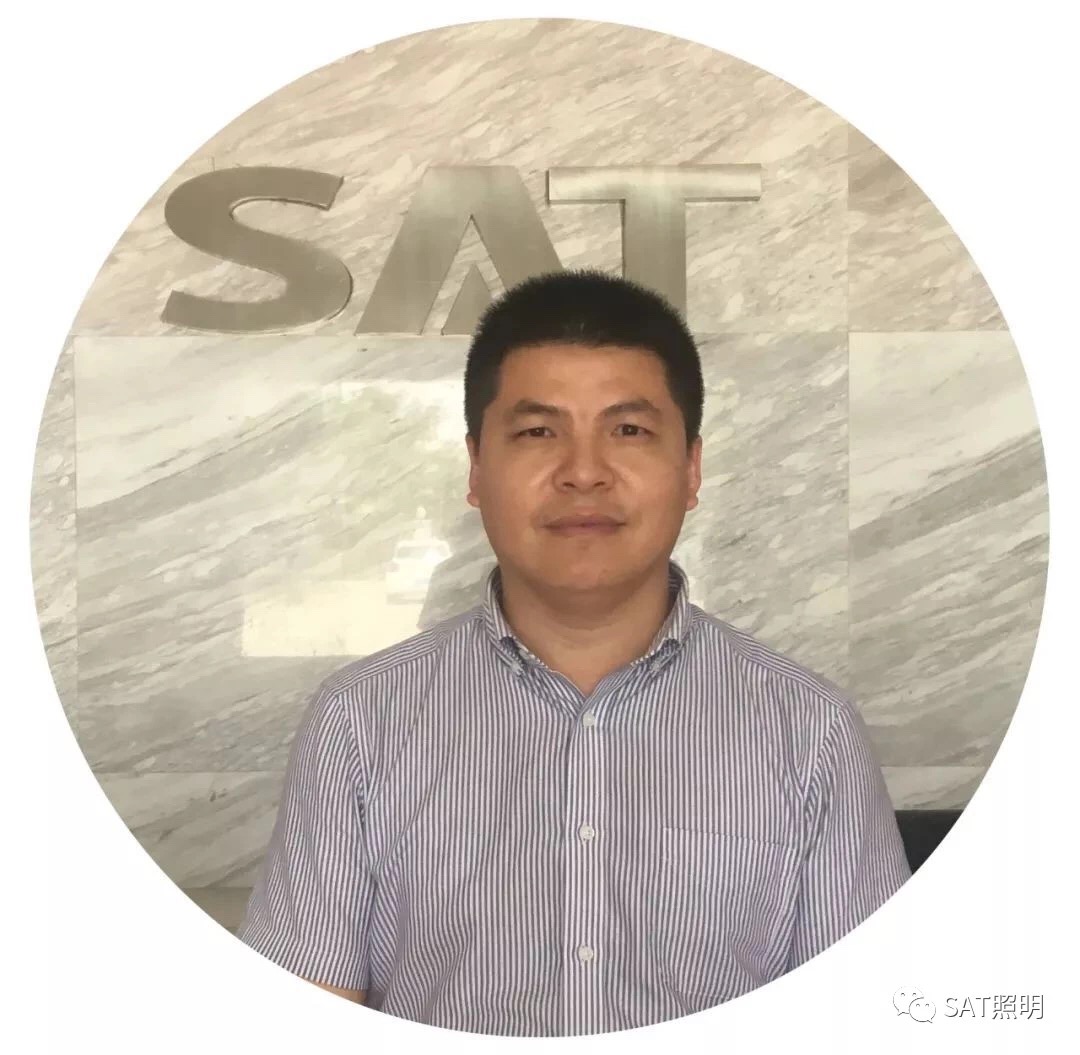
SAT Lighting Marketing Director Jia Wanyou
In just a few months since the launch of the "New Commercial Space Lighting Service Provider" model, SAT Mall has signed contracts with 50 domestic service providers and 8 overseas service providers, with stores blooming all over the world. SAT Lighting Marketing Director Jia Wanwei believes that the commercial lighting industry has entered a new stage of service-oriented development at present, and he is very optimistic about the development trend of commercial lighting.
With the continuous changes in new consumer groups and market demands, the characteristics of new commercial spaces are focused on experience, interaction, and effectiveness. Therefore, the core demand for commercial lighting in the future is to meet people's needs, provide a complete range of efficient and high-quality products and one-stop services, which is undoubtedly SAT Lighting's biggest competitive advantage